
Rainwater harvesting is one of the simplest and most effective ways to build sustainable and resilient communities. From suburban homes to remote properties, rainwater tanks provide a local, renewable water source that reduces pressure on mains supply, manages stormwater, and supports healthier waterways. Here’s why it matters — and why it should matter to every level of government, industry, and the community.
Rainwater Harvesting Works
Rainwater harvesting delivers integrated solutions for demand management, drought response, flood control, and water quality improvement. Locally manufactured rainwater tanks offer a cost-effective and reliable source of sustainable water.
Unlike centralised water infrastructure, rainwater harvesting works at the point of use. It captures rain where it falls — on rooftops — and stores it for household, commercial, and agricultural use. This reduces the demand on mains water supply and takes pressure off ageing distribution networks.
Rainwater tanks also play a critical role in stormwater management. By capturing rainwater before it runs off hard surfaces, they reduce the volume and velocity of stormwater entering our drainage systems, creeks, and rivers. This means less flooding, less erosion, and less pollution reaching our waterways.
A Foundation for Resilience
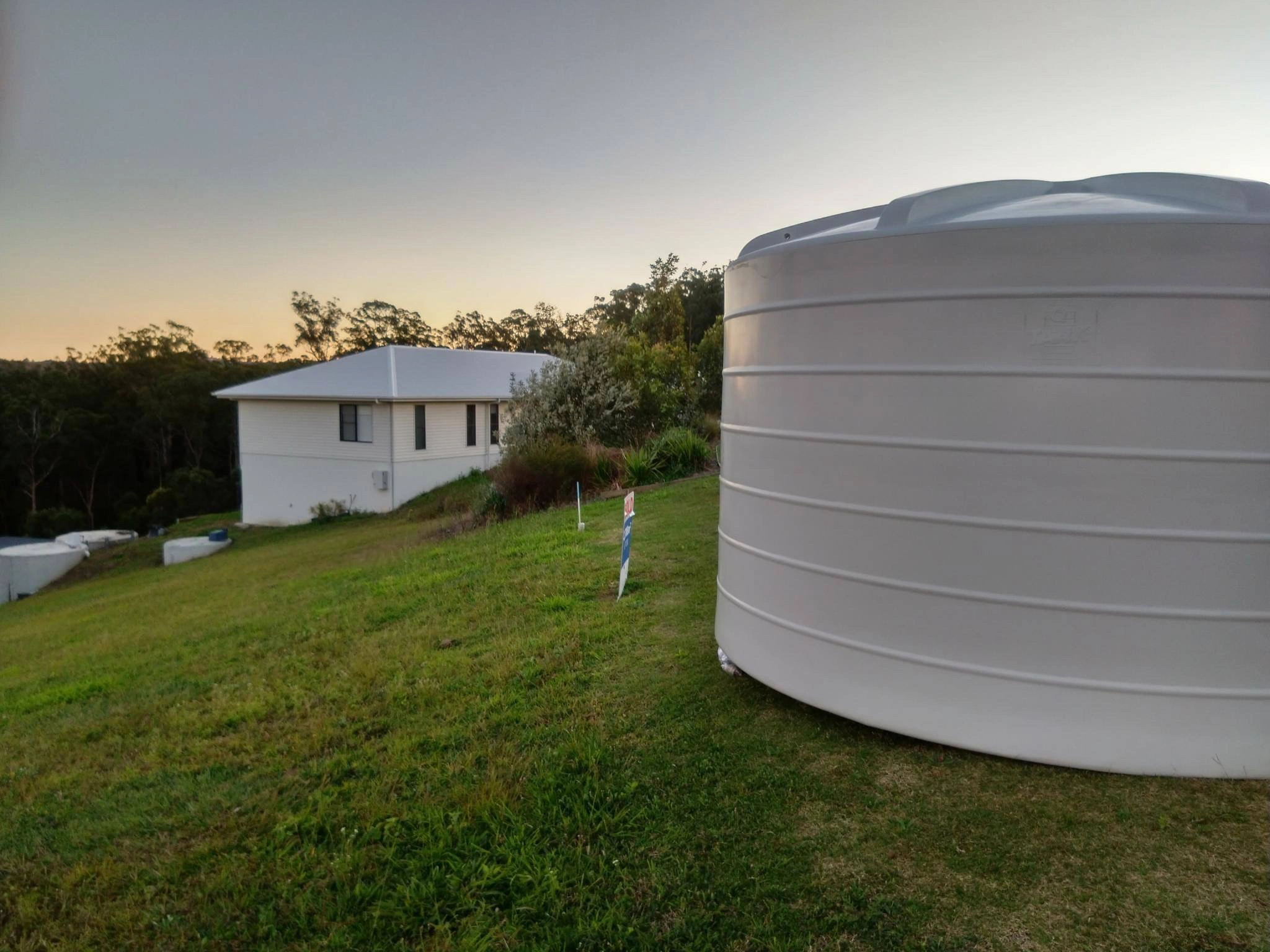
Rainwater harvesting for most buildings is a basic building block of resilient cities. In natural and other disasters, the rainwater tank is a local water source that cannot be hacked, works without electricity, and keeps filling up again.
As climate change increases the frequency and severity of extreme weather events, community resilience depends on decentralised systems that continue to function when centralised infrastructure fails. A rainwater tank connected to a home or building provides an independent water supply during bushfires, floods, storms, and extended power outages.
Resilience is not just about emergencies. Rainwater harvesting supports everyday water security by supplementing mains supply, reducing peak demand, and providing a buffer during drought and water restrictions. For households, businesses, and communities, it is a practical investment in long-term self-sufficiency.
A resilient city is one where essential services — including water — are distributed, redundant, and locally managed. Rainwater harvesting makes this possible at the scale of every building.

More Rain Falls on Our Cities Than We Use from Our Dams
An amazing amount of rain falls on our cities, but most of it goes to waste or even does harm. The volume of rainwater falling on urban areas exceeds our annual utility water consumption and is delivered directly to our buildings. The rainwater we do not harvest instead becomes stormwater that overwhelms existing infrastructure, damaging homes and natural waterways.
In urban areas, we can store rainwater for household uses — watering the garden, flushing toilets, washing clothes, and even supplying hot water. We can use stored rainwater to cool our cities, green our gardens, and replenish groundwater starved by urban concrete.
Stormwater is one of the biggest environmental challenges facing our cities. It carries pollutants from roads, roofs, and hard surfaces into our creeks, rivers, and bays. It is a major contributor to blue-green algae outbreaks and the degradation of urban waterways. Harvesting rainwater at the source — before it becomes stormwater — is the most effective first step in managing this problem.
With rainwater harvesting in place, we can reassess the need for costly water and stormwater infrastructure in urban areas. It is the only management option that provides simultaneous benefits for stormwater management and water conservation.

Supporting Rural and Regional Communities
Nearly two million Australians drink rainwater every day and rely on rainwater as their main source of water. Capturing and using resources at the source, as rural communities have done for over two centuries, allows regional areas to thrive and has supported our agricultural and farming communities.
For rural and regional Australia, rainwater harvesting is not a choice — it is essential infrastructure. Properties beyond the reach of mains water supply depend entirely on rainwater for drinking, cooking, cleaning, livestock, and irrigation. It is a way of life that has sustained communities since European settlement and builds on thousands of years of Indigenous water management.
The Rainwater Harvesting Association advocates strongly for policies that protect and support rural rainwater users. This means avoiding unnecessary regulatory costs and barriers that could make it harder for rural communities to access this essential water source. It also means ensuring that government programs and building standards recognise the unique needs of regional communities.
Rainwater harvesting connects rural and urban Australia. The same simple, proven technology that has kept farming communities going for generations is now helping our cities become more sustainable and resilient.
A Sustainable Future
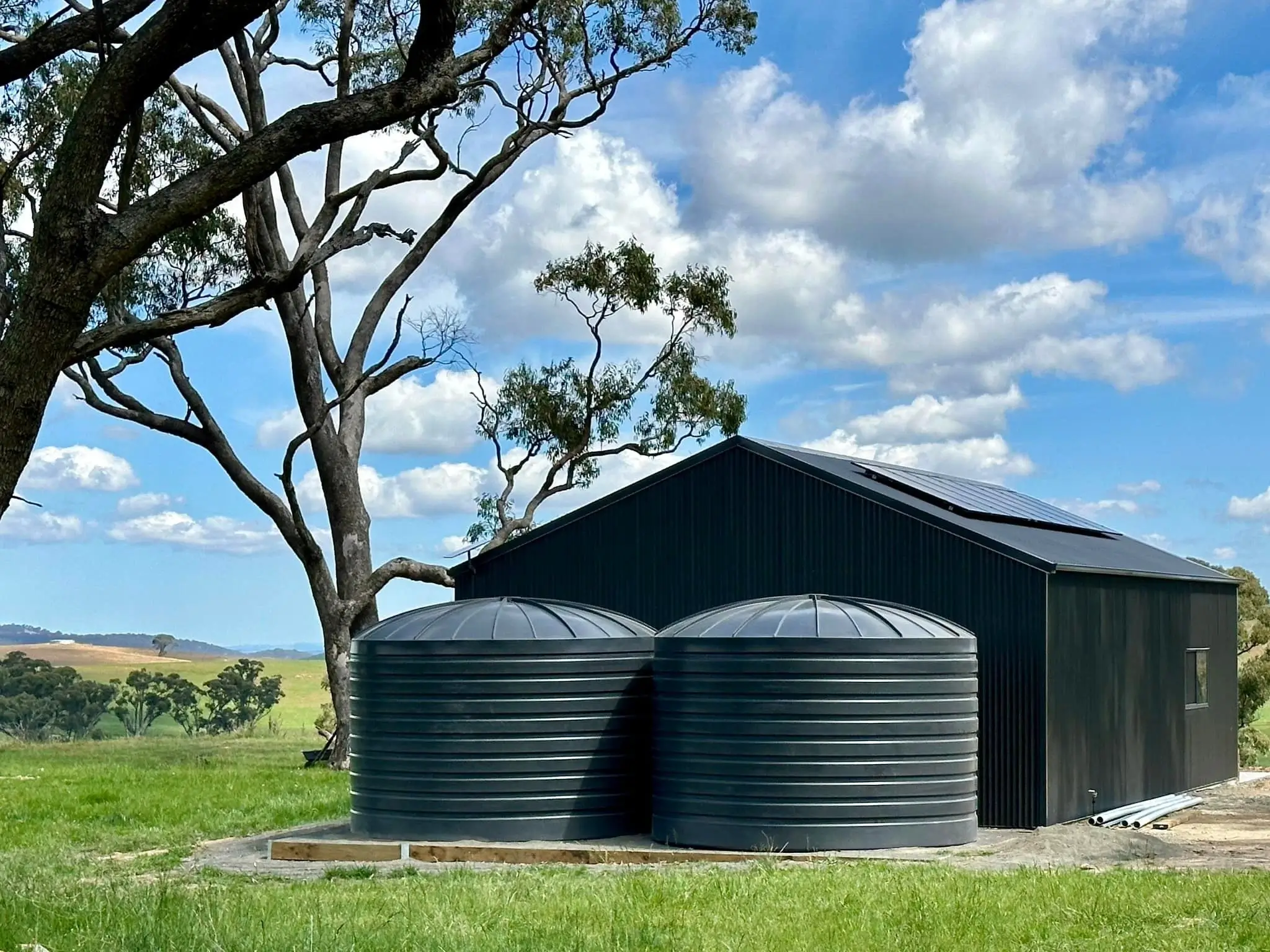
Rainwater harvesting plays a critical role in addressing water scarcity and climate challenges. It is a low-cost, nature-based solution that supports healthy waterways, sustainable development, and water security for generations to come.
As our communities faces growing pressure from population growth, urbanisation, and a changing climate, the way we manage water must evolve. Rainwater harvesting offers a decentralised approach that works alongside traditional water infrastructure — reducing demand on dams and treatment plants while improving environmental outcomes at the local level.
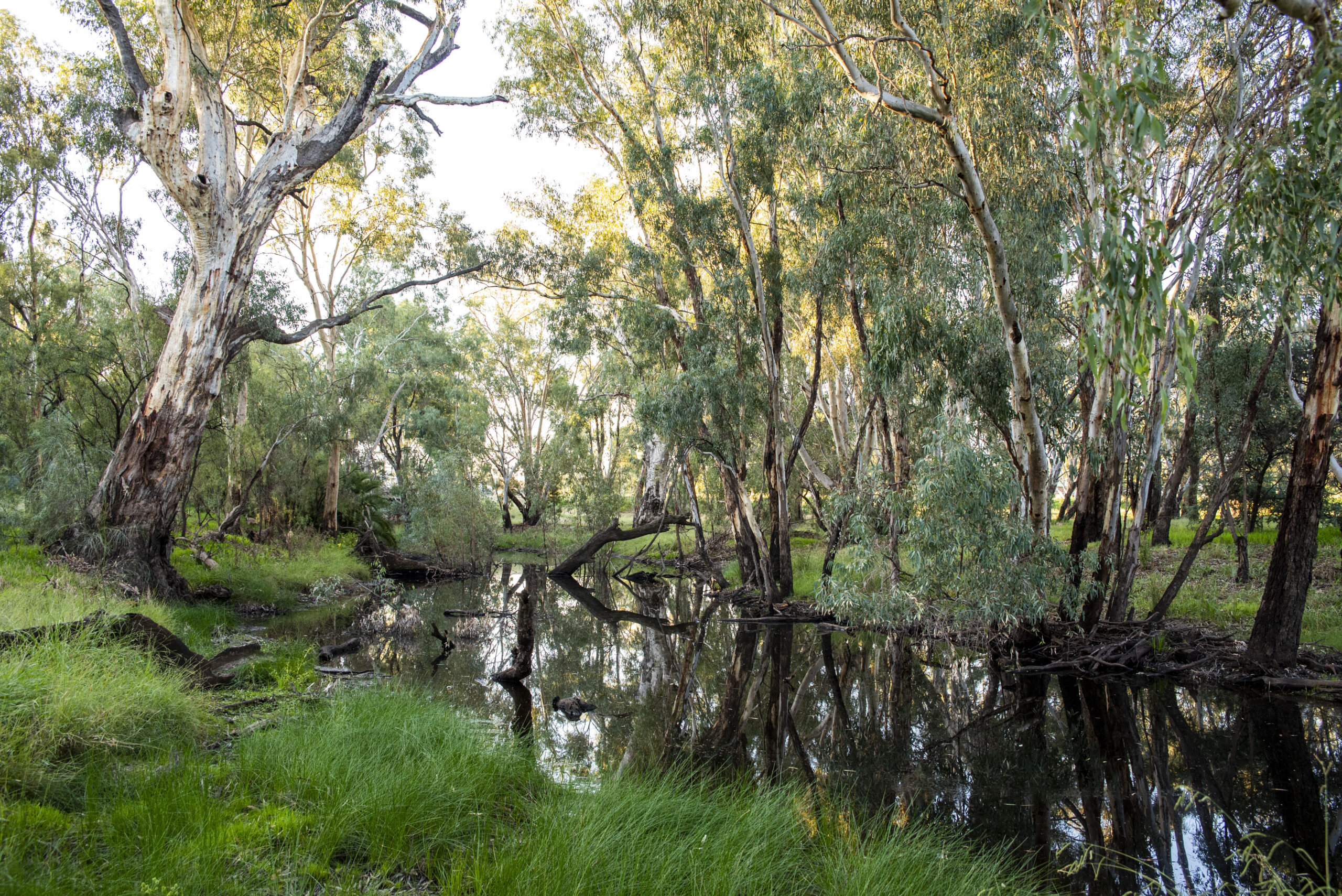
Healthy waterways depend on reducing the volume and pollution load of stormwater runoff. Rainwater harvesting intercepts rain before it becomes runoff, keeping waterways cleaner and supporting the ecosystems that depend on them. The Narrandera Wetlands in New South Wales are a powerful example — a constructed wetland that receives the town’s stormwater and improves the quality of water entering the Murrumbidgee River.
A sustainable water future is not about a single solution. It is about integrating rainwater harvesting into the way we plan, build, and manage our cities and regions — so that every building contributes to a healthier, more water-secure society.
Building and Planning Regulation
Communities need nature-based solutions to build sustainable communities. Rainwater harvesting is an important element of land use planning policies and building controls at every level of government. The Rainwater Harvesting Association works with decision-makers to integrate rainwater harvesting into building and plumbing regulations and standards.
After the millennium drought, some states included rainwater tanks in their building codes — but others have since removed or weakened these requirements. One in four Australian houses has a rainwater tank, demonstrating strong community support for the technology. Consistent, evidence-based regulation is needed to ensure that rainwater harvesting is embedded in new developments and supported in existing buildings.
The RHA’s Rainwater Harvesting Policy calls on all levels of government to implement rainwater harvesting in urban areas through planning and building development controls. This includes integrating rainwater harvesting into land use planning, building codes, plumbing standards, and stormwater management frameworks.
Effective regulation does not mean more red tape. It means recognising rainwater harvesting as a first step in managing urban water — and creating the policy settings that allow it to deliver its full potential for communities, the environment, and the economy.