
One of the policy considerations for the Rainwater Harvesting Association was to find a best practice indicator of urban water performance. This could then be used to set targets for rainwater harvesting policy and to model future performance using the indicator. Professor PJ Coombes was asked to advise on a suitable target. Coombes recommended that the best indicator is to measure changes in the volume of water used and generated at the scale of individual building lots and then scale these results up to neighbourhoods and regions.
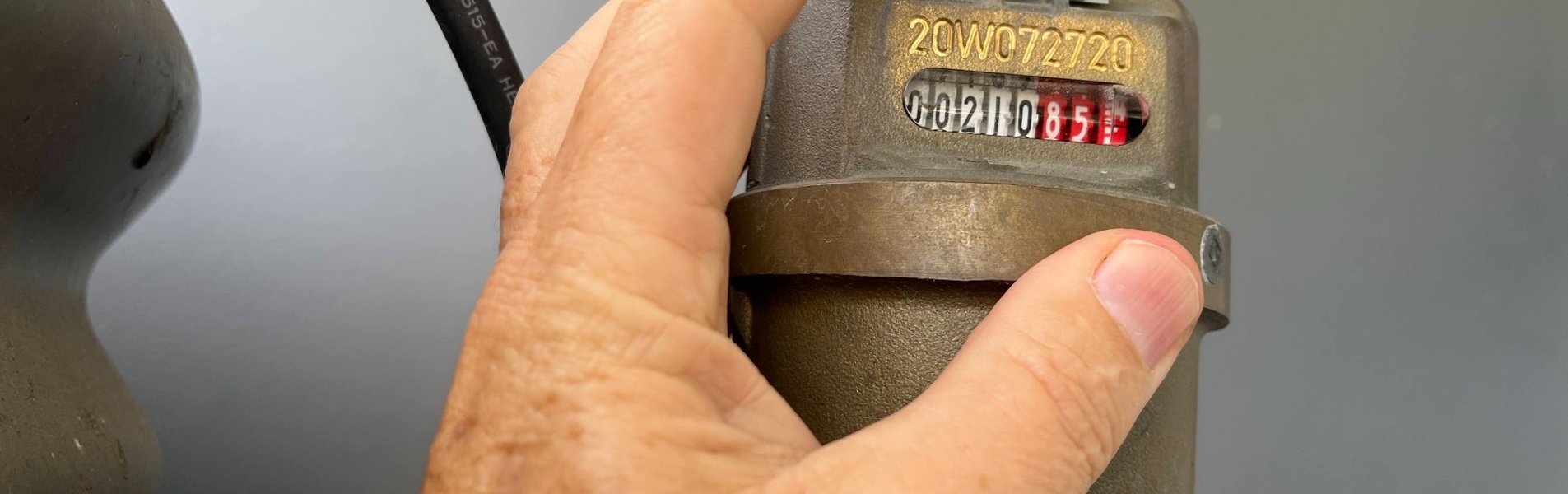
Volume is a measure of water that provides valuable information about the water behaviour of our buildings and cities. We can define water policy objectives by the volumes of water saved, retained, or used. Volumes of water can also be used to measure water efficiency, demand for water infrastructure, community water charges, and water security. We can model our cities’ behaviour to predict the water volumes we need, how much can be saved and how much stormwater will be generated.
Coombes proposed two key indicators for rainwater harvesting at the building lot scale:
- A reduction in stormwater volume, measured in kilolitres/annum from the building lot and as a percentage reduction of the stormwater volume without rainwater harvesting. Coombes recommended a 30% volume reduction target, supported by systems modelling.
- A reduction in the demand for municipal water, measured in kilolitres/annum from the building lot and as a percentage reduction of the municipal volume without rainwater harvesting. The assessment was carried out for housing based on detached, semi-detached and unit housing. The assessment included a water efficiency consideration retrofitting five-star water-efficient appliances. The reduction is measured as a percentage reduction of volumetric water use compared to a building without rainwater harvesting and five-star appliances. Coombes recommended a 30% volume reduction target for rainwater harvesting is feasible. Coombes recommended a 45% volume reduction target for both rainwater harvesting and water efficiency, supported by systems modelling.
A discussion of the Systems Framework modelling and results is provided below.