BASIX Water Efficiency Planning Policy in NSW
BASIX helps reduce the environmental impact of residential developments by promoting sustainable building practices. It ensures that new homes and renovations are energy- and water-efficient and have good thermal performance, contributing to a more sustainable future.
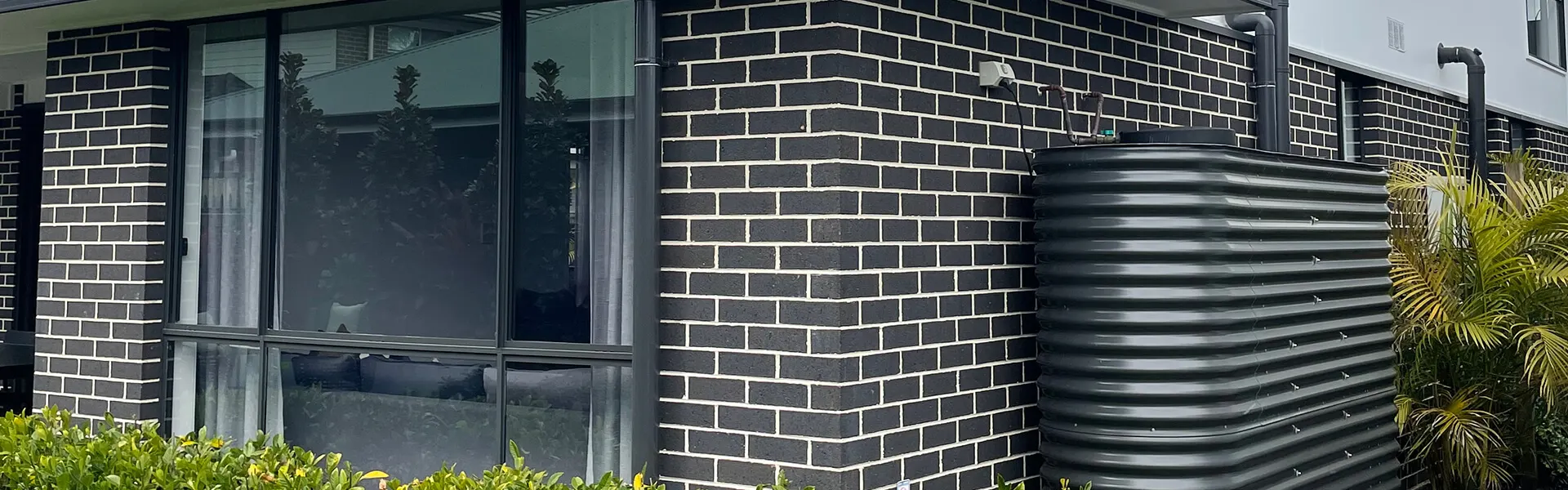
BASIX is a land use planning policy, not a water policy. BASIX is linked to land development, so it “builds in” water and energy efficiency alongside development. BASIX operates at the local lot scale, changing how our cities use water from the “bottom-up”. BASIX stands for the Building Sustainability Index and is part of the Sustainable Buildings State Planning Policy in NSW. BASIX requires that new buildings demonstrate water savings of at least 40% below the 2004 average water use. Most new buildings use water-efficient devices and a rainwater tank to meet the requirements.
BASIX has improved over 500,000 homes in NSW, with about 30,000 homes improved each year, making it one of the biggest sustainability programs in the country. BASIX saves about 79 billion litres of potable water each year, 49 billion litres from water-efficient devices and 30 billion litres of rainwater, making it by far the largest water-efficiency project in the country.
Sophisticated Systems Analysis by the Hon Prof Peter Coombes has identified that the economic savings from BASIX far outweigh the water savings. Combined economic savings from water and sewage services, stormwater management, avoided flood damage, and reduced nutrient loads totalled $3.4 billion up to 2010. If we didn’t have BASIX, we would have had additional government costs of $5.3 billion and needed another 78 billion litres of water each year by 2050.
One of the key findings of the original BASIX research was that builders don’t receive any benefit from installing water-efficient equipment — even though such equipment would result in lower water bills for residents and reduce the need for expensive water-efficiency infrastructure. As a result, builders are generally opposed to BASIX as it adds to their time and costs. This is a clear ‘market failure’ and explains why BASIX is a necessary government intervention, as it is economically efficient.
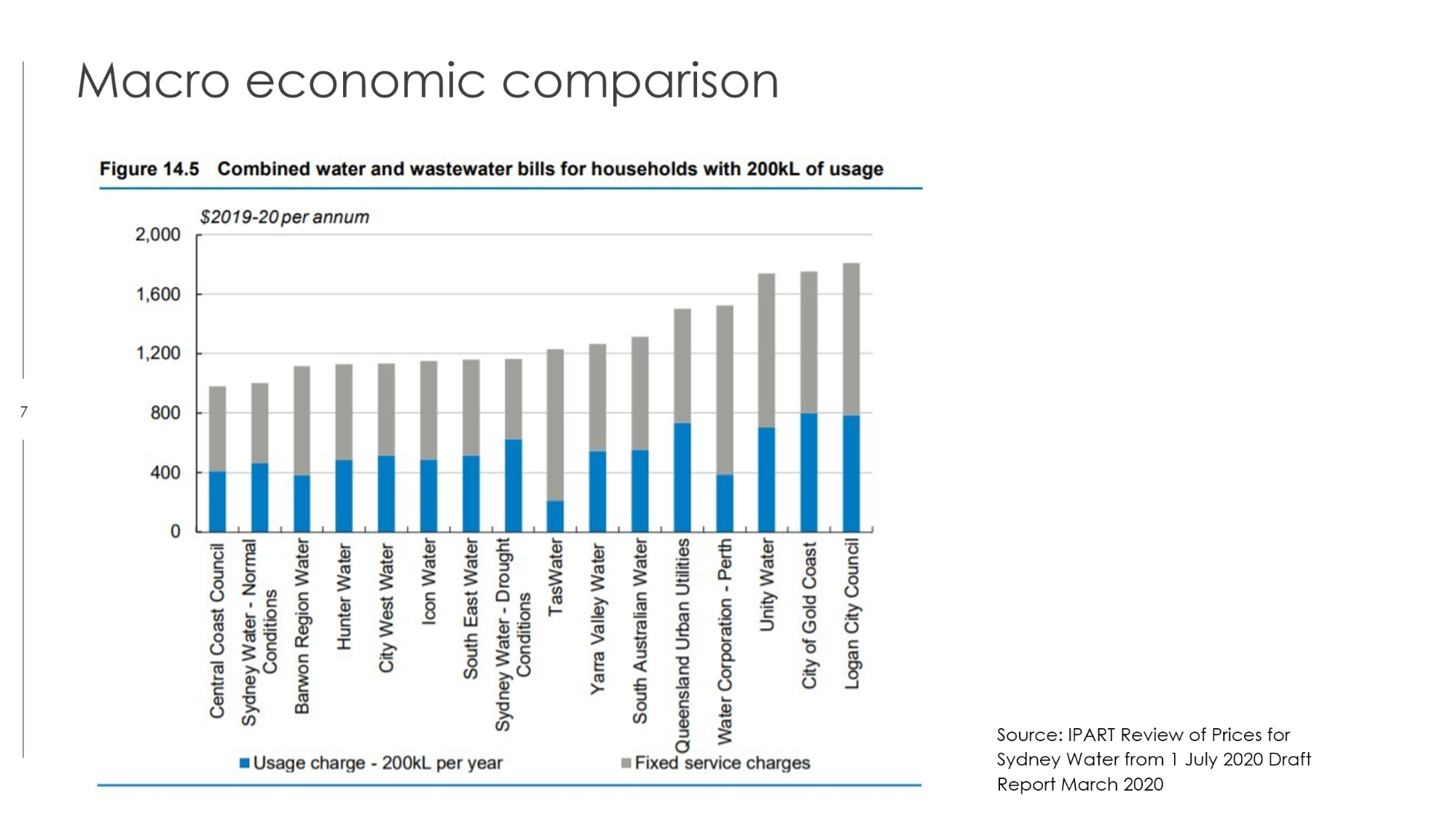
The experience in South East Queensland demonstrates what can happen when decisions are made based on limited information. South East Queensland adopted the recommended ‘economic’ options, removing rainwater harvesting in 2012 and installing desalination, a water grid, and recycled water. According to the NSW Water Regulator, South East Queensland now has four of the five most expensive water utility costs per household in Australia. South East Queensland’s water bills are almost twice those of Sydney, which has implemented rainwater harvesting and water efficiency in over 500,000 BASIX-compliant homes.
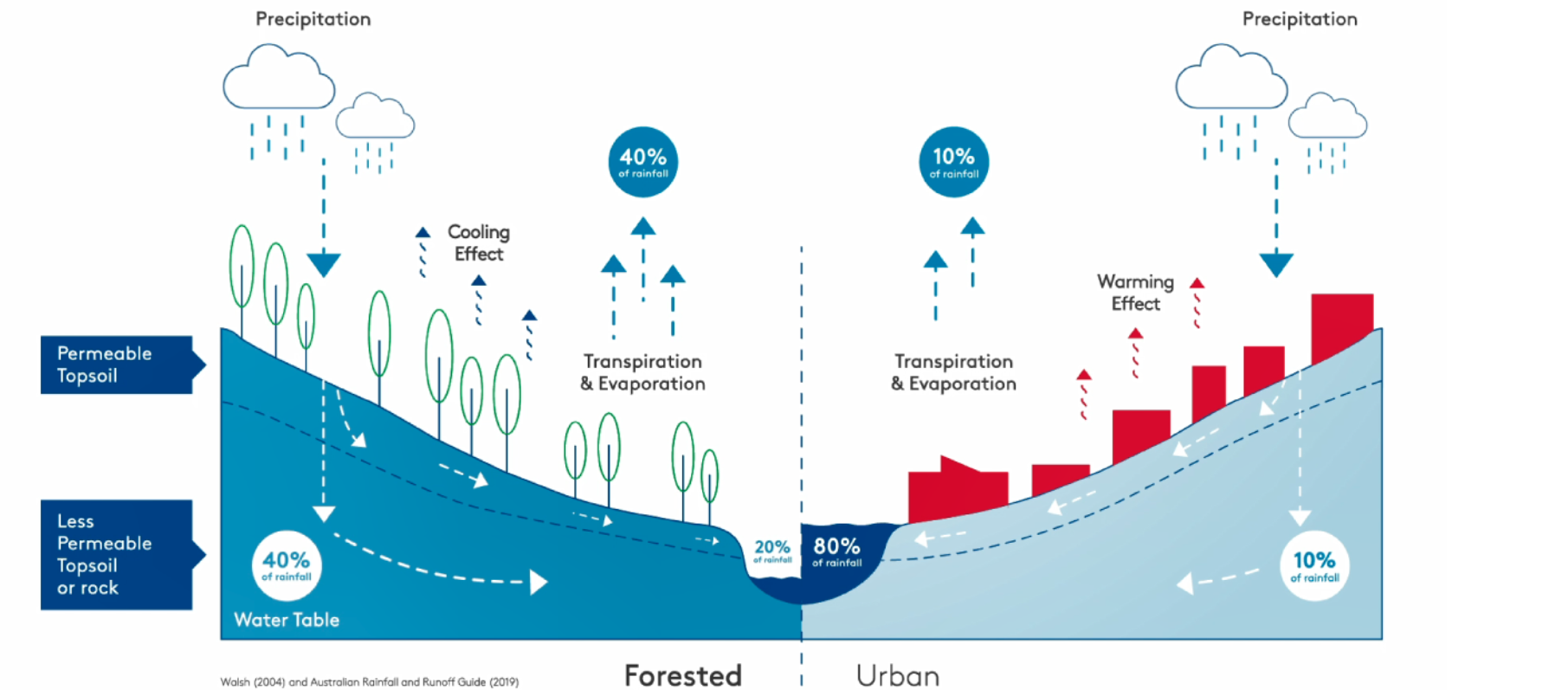
Another serious urban problem is the combination of more buildings and road coverage. This, combined with the heavier predicted rainfall in our cities, will increase localised ‘flash’ flooding, damaging our precious natural waterways. It should be noted that since BASIX was introduced, rainwater harvesting has been recognised as an important engineering solution for stormwater management and will become increasingly important as stormwater runoff increases with further urban development.